What They Really Mean When They Say, “I Am a Value Investor”

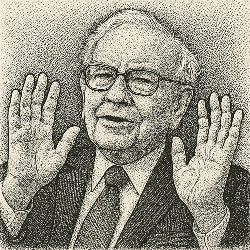
Warren Buffett calls himself a value investor, yet restricts most of his equities investing to large-cap blue chips, with a strong focus on companies in the S&P 500.
Other "value investors" dive into ugly, forgotten small-cap stocks trading at just six times earnings and half of book value.
Who, then, is the "real" value investor?
According to George Athanassakos, one of the world’s leading scholars on the subject, value investing is a mindset, not a dogma. Every investor applies it in their own way.
People who talk about value stocks in general refer to low price-earnings or low price-book value small-cap stocks. These are the obscure and undesirable stocks that tend to be associated with a high likelihood of being undervalued. This is what Ben Graham taught about at Columbia University in the 1930s and ’40s.
— George Athanassakos
Ben Graham's original definition of value investing focused on so-called "cigar butts", companies that only had one more puff left in them yet could be acquired for less than they were worth.
Buffett started with the cigar butts, too, but as Berkshire Hathaway grew, he changed his approach. He started out hunting bad companies he could get at a bargain in Ben Graham style. Later, he shifted to buying great companies at fair prices.
Buffett has always said his partner Charlie Munger helped him make the shift to great companies. But his approach also matured because he came to have so much capital that traditional value stocks couldn't absorb it.
Since he made the shift, Buffett's returns have declined. He still outperforms the S&P 500 most years, but...
Berkshire Hathaway’s highest returns came during the Ben Graham era. The more recent returns, while still satisfactory, lag those early years.
— George Athanassakos
Today’s value investors range from scrappy deep-value stock pickers to mega-cap compounder chasers. And both camps can rightly say they’re walking the path laid by Graham.
Want to dig deeper? Athanassakos has written the textbook: Value Investing: From Theory to Practice – A Guide to the Value Investing Process. It is pricey at $250 in hardback, but does come with a valuation model, as well as valuation reports on two U.S. companies, to help you get started.
If you prefer something less expensive, there is nothing better than Ben Graham's The Intelligent Investor, Third Edition.
✦ Watch for tomorrow’s newsletter in your inbox.
Disclaimer: This newsletter is for informational purposes only and does not constitute financial advice. Please consult a qualified financial advisor before making any investment decisions. Links on this page may be affiliate links, meaning your purchases help support this newsletter. Quotes may be edited slightly for clarity. Images represent our best effort. Copyright © 2025 mydailyoracle.com. All rights reserved.
No spam, no sharing to third party. Only you and me.