Why Long-Term Investors Lose, Even When They Win
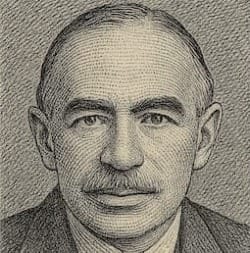
Human nature desires quick results, there is a peculiar zest in making money quickly, and remoter gains are discounted by the average man at a very high rate. It is the long-term investor who will come in for most criticism. For it is in the essence of his behavior that he should be eccentric, unconventional and rash in the eyes of average opinion. Worldly wisdom teaches that it is better for reputation to fail conventionally than to succeed unconventionally.
— John Maynard Keynes
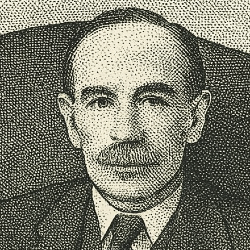
John Maynard Keynes was an economist, institution builder, and successful investor. The Financial Times rates him as "one of the few economists with the practical ability to make money," and he was called “arguably the most astute observer of the investment game that ever lived.”
Today's quote captures his insight into the short-termism of most professional investors and market observers. The incentives in the investment world are strongly in favor of short time horizons. Any investor who is willing to ignore near-term market fluctuations will be criticized by others.
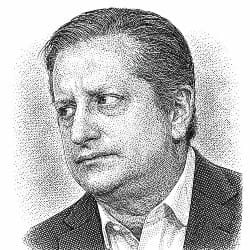
Think of Michael Burry in The Big Short. He first noticed the risks to the subprime mortgage market in 2005, but his bets against it didn't pay off until 2008.
Burry eventually earned about $725 million for his investors, a return of 489.34%, but, before that payday, skeptical investors tried to sue him for locking up their funds.
Burry might have comforted himself with these additional words from Keynes:
If the long-term investor is successful, that will only confirm the general belief in his rashness; and if in the short run he is unsuccessful, which is very likely, he will not receive much mercy.
— John Maynard Keynes
Further Reading
To learn how Keynes made his money, an excellent book is, Investing with Keynes: How the World's Greatest Economist Overturned Conventional Wisdom and Made a Fortune on the Stock Market, by Justyn Walsh.
Of Keynes' own works, I suggest starting with his General Theory of Employment, Interest, and Money. Paul Krugman calls it "nothing less than an epic journey out of intellectual darkness" and "a book for the ages." He says, "Read it, and marvel."
For more about Michael Burry, read Michael Lewis' book, "The Big Short" or this excerpt in Vanity Fair (subscription required).
✦ Watch for tomorrow’s newsletter in your inbox.
Disclaimer: This newsletter is for informational purposes only and does not constitute financial advice. Please consult a qualified financial advisor before making any investment decisions. Links on this page may be affiliate links, meaning your purchases help support this newsletter. Quotes may be edited slightly for clarity. Images represent our best effort. Copyright © 2025 mydailyoracle.com. All rights reserved.
No spam, no sharing to third party. Only you and me.